

Life Living Rough
Every night, more than a thousand estimated rough sleepers all across Aotearoa endure harsh conditions. Pouring rain that fills gutters and spills onto sidewalks. Icy temperatures that leave frost on lawns and windscreens. Driving wind that creates a whirlwind of leaves and other debris.
Multiple factors, such as high living costs, barriers to housing, or a suddenly unsafe domestic environment, combine to force whānau out of safe, warm and dry homes. Some crowd into sub-standard, moldy housing – or garages. Many must transform their cars into bedrooms.
Shelterbags can literally save lives.
Others are the more visible face of homelessness – finding spaces like park benches or bus-stops, or various nooks and crannies to make it through the night. Sleeping bags, blankets, cardboard and other rough materials are often wrangled together to secure as much protection as they can muster from the elements.
Introducing Shelterbags
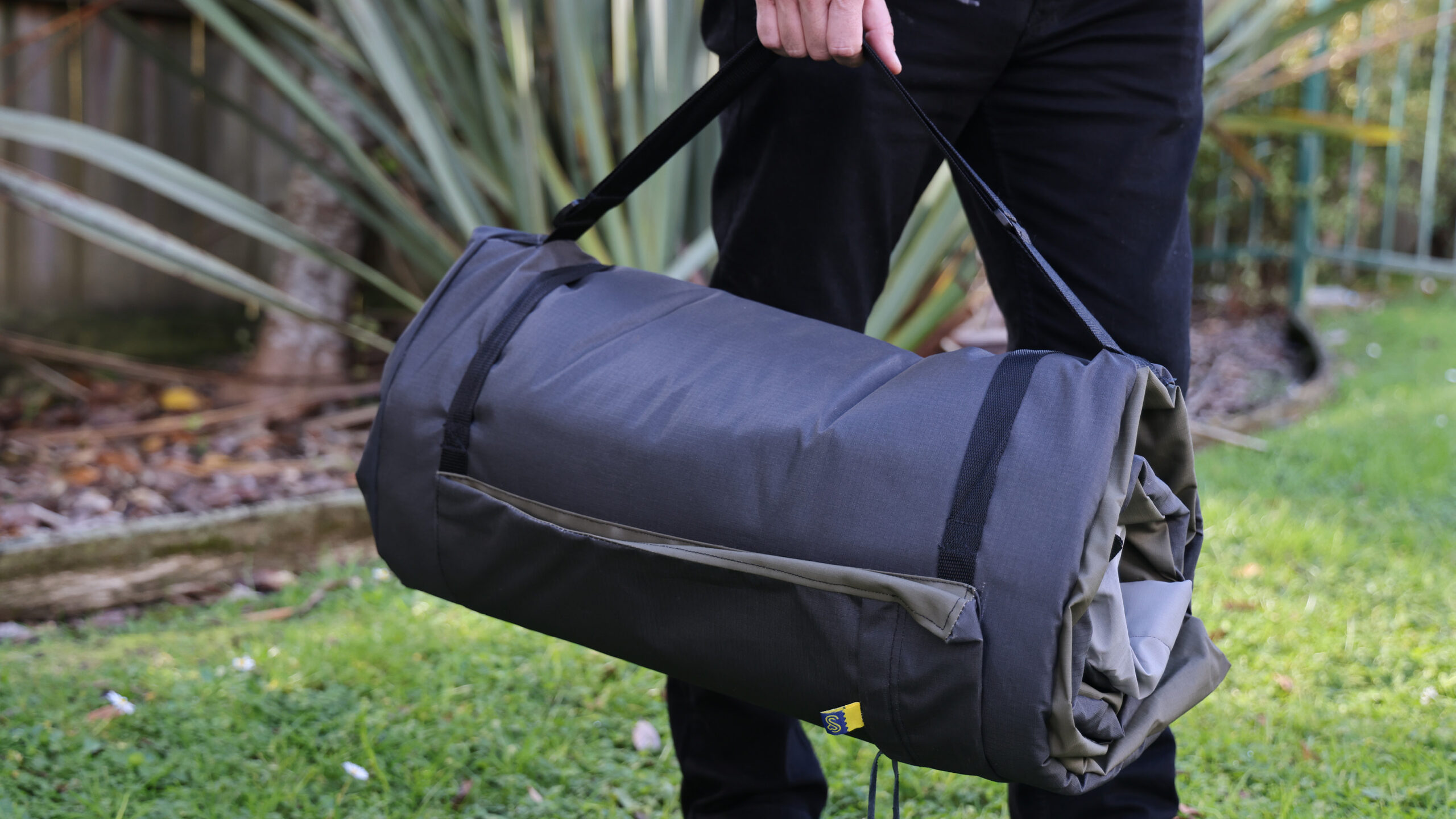
Onto these local cityscapes arrives the Shelterbag, an innovative new tool manufactured in by the Sheltersuit Foundation in South Africa. Some have been in the country for a few years, but thanks to a funding project by local Rotary clubs, social services organisations and outreach teams in cities like Auckland, Palmerston North, Wellington, Christchurch and Invercargill have been stocked with 1200 Shelterbags this past July.
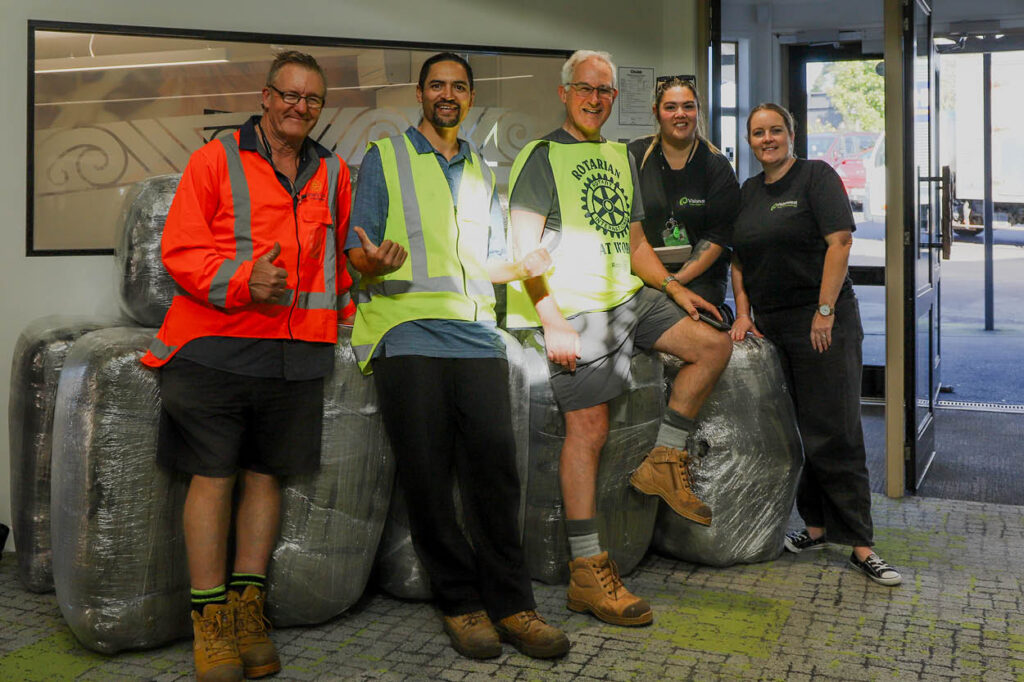
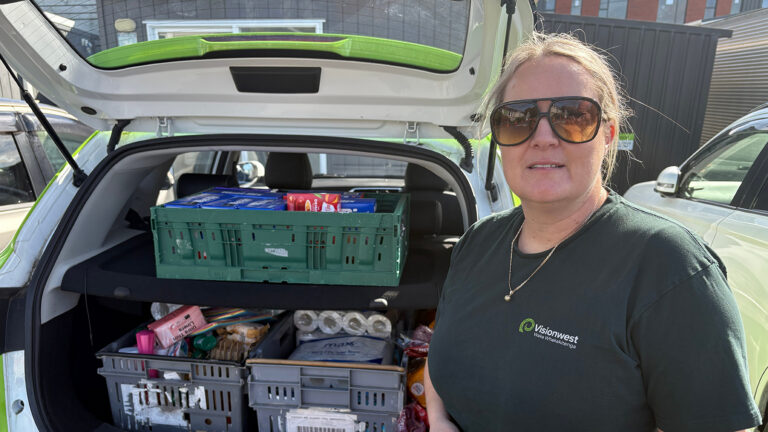
Shelterbags are, as the name suggests, a kind of sleeping bag that goes the extra mile to provide some basic shelter from wind and rain. As Jeremy Nicholls, Visionwest Outreach Team leader explains, they can “help those who are rough sleeping find a bit more comfort.”
Life-Saving Potential
Sadly, rough sleepers can sometimes get pneumonia or hypothermia, which sometimes has led to tragic deaths. Shelterbags can literally save lives.
Shelterbags are constructed from durable, high-quality tent materials. The fabric is waterproof, but breathable to allow for ventilation. The extra padding on the bottom offers a few millimeters of comfort to make hard surfaces a bit less punishing. The zipper and insulated hood provide relief from harsh winds. They roll up like a sleeping bag or yoga mat and are lightweight – which helps make it easier for whānau to manage.
A Bit of Kindness, Not a Solution
Shelterbags have never been intended as a solution or replacement for safe, warm, dry and sustainable housing. They are a tool that provides a bit of kindness and support as a part of journeys that are varied and deeply personal.
In this sense, the sector is well aware that work requires both ambulances at the bottom of the cliff, and fences at the top. Nicholls says, “Obviously, we want to get people housed, but this is like a temporary way to be able to help somebody… until they get housed.”
For rough sleepers, it’s a welcome expression of kindness, in contrast to the concerning ‘Move On’ orders that threatened to displace whānau from the spaces where they can find access to at least some shelter, public restrooms, water and access to support services.
“Everyone we’ve given these to are appreciative of what these mean to them, that people are thinking of them. That gives them a little bit of hope in what is often a hopeless situation,” Nicholls says.
One Tool in a Wider Strategy
Shelterbags are not distributed carelessly or randomly. As kaimahi work sensitively and relationally to assist whānau on their journey from rough sleeping into stable, warm and dry housing, they keep records of who is receiving a Shelterbag.
Rapid-rehousing or transitional housing programmes are not instant fixes for the complex and multi-layered challenges related to homelessness. Simply put, Shelterbags are timely, live-saving compassion to practically extend aroha to whānau sleeping rough.
Read more about the growing mahi of our outreach team here.