


By Jeremy Nicholls, Visionwest Outreach Team Leader
A Rising Need
Outreach to those experiencing homelessness is a growing need. I wish it wasn’t, but it is. It reflects a bigger problem, a problem that demands to be addressed.
In Tāmaki Makaurau Auckland, the number of those sleeping rough and in vehicles has more than doubled over the last year. These worrying trends have led to a concerted effort to reach out to those in need. Being an Outreach Worker means going out to meet people where they are located.
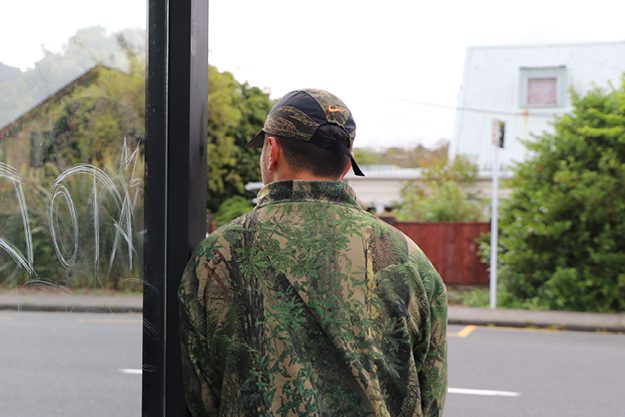
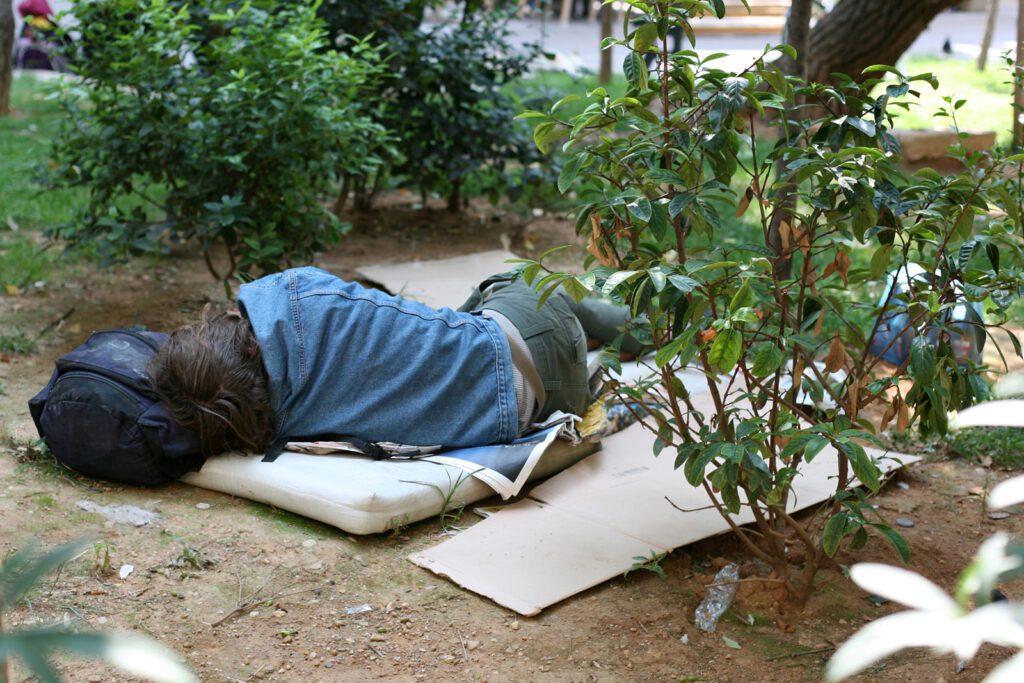
Recently there’s been a heightened awareness of those sleeping rough downtown, where people are seen in doorways and parks, but the reality is, the biggest increase of homelessness in Tāmaki is in our suburbs. Whānau are sleeping rough all over the city: under bridges in Henderson, among the trees in Titirangi, in vehicles in Albany, in abandoned flood affected houses in Rānui, in the caves at Whatipu and so on. People experiencing homelessness go wherever they feel safest and where they think their needs will be met.
The evidence of homelessness in the suburbs may not be as obvious as in the CBD, but it doesn’t mean it’s not real. People are sleeping rough in most Auckland neighbourhoods. They are hidden in plain sight.
Every day is different. Everyone’s journey is unique. Each person has their own obstacles, trials, and triumphs.
A Growing Team
18 months ago, Visionwest’s Supportive Housing Team had one Outreach Worker. Today, we have an Outreach Team of 8 kaimahi (workers). Our job entails going out to those in need and responding to their specific, unique needs. We do this in four ways: 1) locating those sleeping rough, 2) responding to public concerns or referrals, 3) networking with those who want to help end homelessness by housing those in need, and 4) assisting those experiencing homelessness in a variety of ways.
Let me elaborate on these four ways we attempt to tackle homelessness as a team.
1. Locating.
This is how it started. We went into neighbourhoods like New Lynn and Avondale, found people experiencing homelessness, introduced ourselves, and offered assistance. We’d drive by parks and notice people living out of their vehicles, so we’d stop, introduce ourselves and see if we could help. We’d have things to offer, like food, socks, and feminine items. In those early days, having a Peer Support Worker in the Supportive Housing Team was invaluable, as she knew some of the rough sleepers and where they’d be. We’d meet people, and they would introduce us to others in need, and so our reputation grew and grew.
2. Referrals.
As our knowledge and reputation grew, we started receiving formal and informal referrals. We got a contract for the North Shore to add to our already established West Auckland contract. We receive calls, emails and texts from within Visionwest, but also from the likes of Auckland City Council, MSD (Ministry of Social Development), libraries, churches, and shop owners. In January, we received over 20 referrals, which included a 61-year-old wāhine (woman) sleeping near a petrol station, a middle-aged tāne (male) with an amputated leg living out of his car on the North Shore, and a young woman living in her minivan with her cat and all her possessions.
3. Networking.
Not only do we meet with those experiencing homelessness, but it is imperative to establish relationships with others who possess the same values and mission. In other words, it’s necessary to network with those who fight for the same goals: to end homelessness, to find housing for those in need, to feed the hungry, to treat all people with dignity and respect, and so forth. We attend meetings and create strong connections, because no one has all the answers, and we need each other.
To illustrate this point, last year we established a stronger collaboration with specific kaimahi from MSD, and as a result, we have seen speedier and more efficient outcomes. Many of our previously unhoused whānau have moved into permanent supportive housing because of networking like this.
4. Assistance.
The Outreach Team’s mission is to meet people in need and find out how we can assist them. We join them on their journey with a desire to make their trek easier. It could be with food, or socks, or getting their birth certificate, or ensuring they’re on the Housing Register, or supporting someone in Court, or taking them to the doctor. Every day is different. Everyone’s journey is unique. Each person has their own obstacles, trials, and triumphs. Despite the challenges people face, our ultimate goal is to honour the dignity of every person we encounter, with the hope they will eventually move into secure, healthy, safe, affordable housing.
The highlights of any week, month, or year are seeing individuals or whānau experiencing homelessness get a freshly cut key and move into a home.
A Story
Let me give an example of how this all works…
A few years ago, while doing my outreach rounds, I met a man sleeping rough in a fairly remote area. He’s someone the team checks in with weekly and gives him supplies he may need, like socks and food. Even though we know him, we still get occasional referrals about him, mainly because of where he sleeps, his age and how nice he is.
Last year, this man asked a local librarian to call me. In summary, he had been on a sickness benefit for many years, but he turned 65, making him eligible for superannuation. It should have been a smooth transition, but it wasn’t. Due to changes in requirements, he was left without any payments. Nice birthday gift, right?
To help this elderly gentleman have a little income, we had to apply for temporary assistance (which we got twice), purchase his birth certificate from England and get proof that he is legally here from Immigration NZ (he’s been in Aotearoa for over 60 years). All this took a lot of time and effort and advocacy and networking, but in the end, he was receiving his fortnightly payments. Not only does having an income allow him to buy food and other necessities, but it also ensures he’s eligible for housing.
An Unchanging Goal
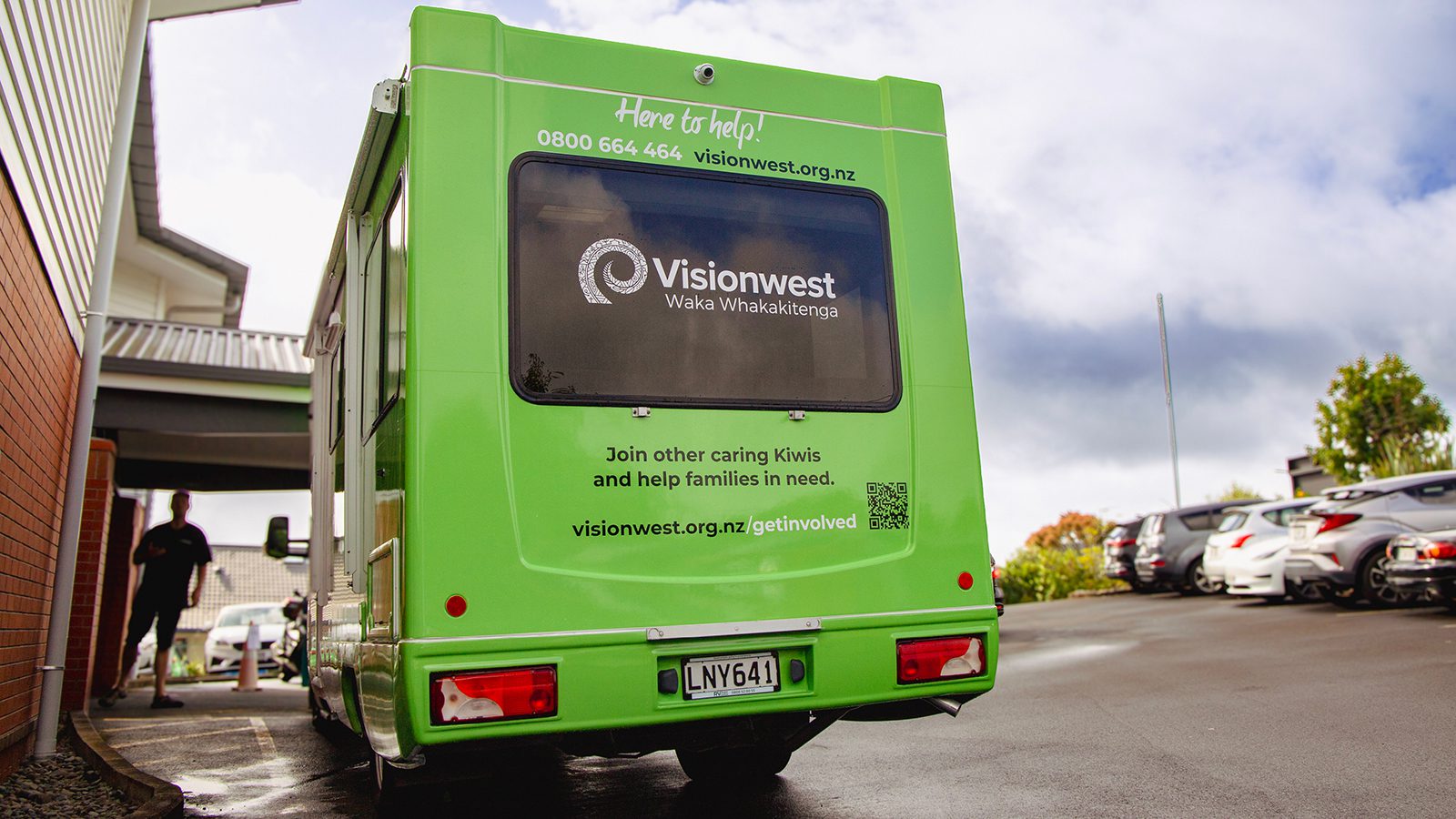
As we enter 2026, the needs and referrals aren’t slowing down, especially since NZ is struggling with this current cost-of-living crisis. To combat this increase in homelessness, we have an exciting new initiative just beginning, a freshly painted camper-van that we can drive to specific locations, park up, and offer services. Our prayer is that this mobile hub will be beneficial in helping end homelessness in Aotearoa.
Our goal, as a growing Outreach Team, is not only to help unhoused people get housed, but also to actively prevent homelessness.
The highlights of any week, month, or year are seeing individuals or whānau experiencing homelessness get a freshly cut key and move into a home. We celebrated a lot of that last year, and we pray that these celebrations will not only continue but increase multifold this year.
***
We’re grateful to Jeremy for letting us share this insightful update. If you want to read more from Jeremy, he has a Substack where he shares this and other great reflections.