

Budget 2026:
Marginal gains won’t relieve rising pressures
The marginal investments in Budget 2026 for key services won’t offset the effect of combined policy change that will increase pressure on vulnerable households.
Visionwest acknowledges that Budget 2026 arrives in a constrained fiscal environment. There are small gains in some areas; however, these sit alongside policy changes that are likely to increase pressure on households already under strain. Overall, Budget 2026 presents an underwhelming picture for those in greatest hardship: steady investment in some frontline supports, but reduced help and increased costs in areas that matter most for households.
Housing
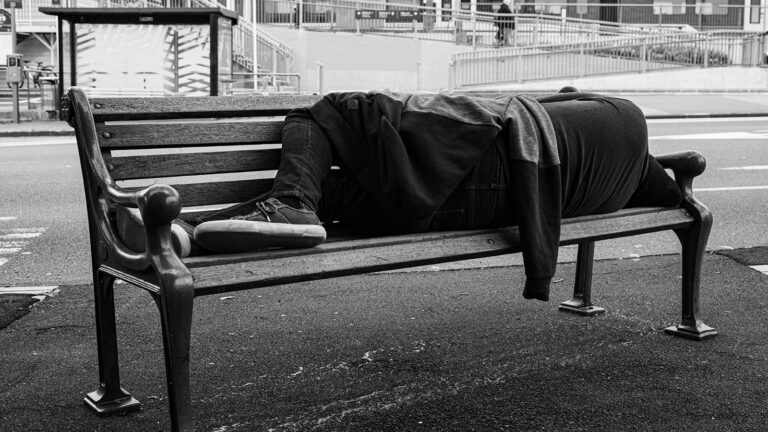
Housing remains one of the sharpest pressure points for the whānau Visionwest works alongside. We understand the importance of further supply of social and affordable housing that is accessible to those in need of safe, healthy, and affordable housing. Income Related Rent is an important way of ensuring housing is affordable for those most in need. Housing insecurity and financial strain for whānau is seen every day in Visionwest’s housing and outreach work. Seemingly small financial shifts can quickly destabilize whānau, and the impact of the stated 5% uplift in the Income Related Rent contribution will certainly have a negative impact on whānau in social housing. Tumu Whakarae (CEO) Lisa Woolley states:
“We acknowledge the further investment from Government into new social and affordable housing supply through the new Flexi fund, however, the impact of increasing the Income Related Rents by 5% will significantly deepen the financial strain for whānau already facing hardship. This can make the difference between coping and falling behind and this is something we are deeply concerned about.”
As mentioned above, the budget 2026 does include some positive housing measures that ought to be welcomed. The Flexible Fund will enable up to 2,250 additional social homes from 2028/29.
However, there are questionable trade-offs. The Accommodation Supplement maximum rate will rise by between $10 and $30 a week, to support private renters. But this is paid for by the minimum Income Related Rent contribution for social housing tenants. This will affect around 84,000 households by an average of about $31 a week. These are important stabilisers but need further investment to make those gains truly real for those needing housing support.
Health
Health is a more mixed story. Budget 2026 includes important support for the system, but much of it is about improving distribution and maintaining services rather than significantly expanding them. A key positive is the planned capitation reweighting from 1 July 2026, designed to direct more funding toward practices serving patients with higher needs, including communities affected by deprivation, multimorbidity, and rurality. The Government has also set an access goal of more than 80% of people being able to see a primary care provider within one week.
Whānau Wellbeing
Whānau wellbeing is where some of the most immediate Budget impacts will be felt. For Visionwest, that includes services such as food support, financial mentoring, youth development, counselling, and family support.
There are some positives here: Critically, support for Food Secure initiatives is confirmed as an ongoing investment. Investment like this is fundamental for helping to reduce pressure before and when families hit crisis point.
But the negatives are significant. Preventative Programmes through Oranga Tamariki fall by $33 million, Jobseeker Support eligibility tightens for 18 to 19-year-olds from 2 November 2026 with around 4,300 rangatahi potentially losing access, and Family and Sexual Violence support reduces by $4.077 million.
The wider context also matters: 38.2% of households say their income is not enough or only just enough to meet everyday needs (Stats NZ, 2025) and when core support tightens, community services are left to absorb the impact. For Visionwest, ongoing food funding is a silver lining in the Budget, but food demands are still likely to rise as income supports weaken, and social supports remain static and/or reduced in some areas.
Budget 2026 also evidences a shift away from targeted support for Māori towards a troubling generalised approach.
Visionwest Tumu Whakarae DCE Fred Astle says:
“We are concerned by a continuing tendency to flatten support into generalised approaches that do not respond well to the distinct realities facing whānau Māori. The evidence has been clear for years: a one-size-fits-all approach does not deliver the uplift that is needed.”
Looking ahead, Visionwest believes there is a clear and urgent need to invest more strongly in community support services, housing stability, and cost of living relief packages so that whānau can thrive now as well as in the future.
Media Interviews available on request
Contact: Dale Campbell
dale.campbell@visionwest.org.nz
Communications Manager