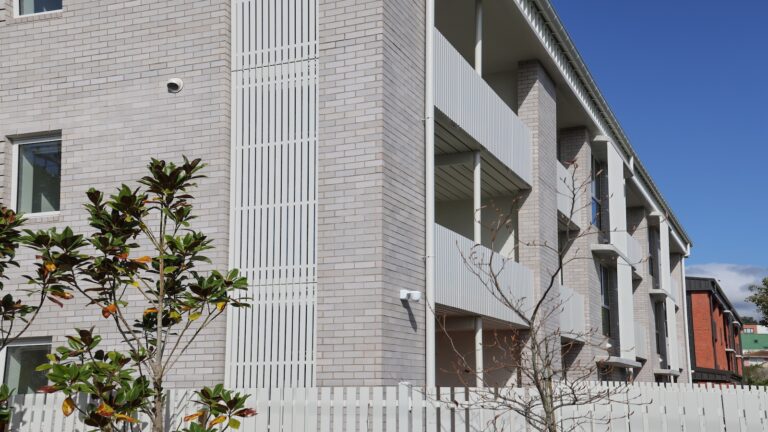


The mahi of the Supportive Housing Team at Visionwest is picking up in momentum, as they work alongside 22 prospective tenants preparing to move into their permanent home in a brand-new residential complex in West Auckland.
With 22 two-bedroom units to be filled, it is the largest permanent housing project that Supportive Housing has worked with to date.
These whānau are coming through Housing First, which works to get people experiencing homelessness into permanent housing, particularly those experiencing chronic homelessness and facing co-existing issues.
It takes a team
“To be able to give the best support to the whānau being housed, we couldn’t just do that by ourselves,” says Housing Project Team Leader Jo Wolferstan.
Behind the good news of each person housed is a huge and ongoing collaborative effort, both between different supports within Visionwest as well as external partnerships.
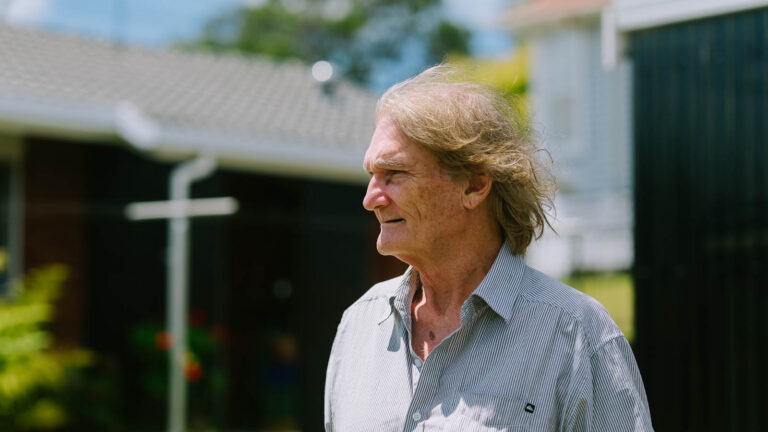
“Homelessness can be a traumatic event,” says Outreach Team Leader Jeremy Nicholls. “So we try to make the transition to getting housed as safe and smooth and comfortable as possible.”
The Intake Team and Kaiatawhai Whānau (Community Workers) work with whānau through the process of getting housed, which involves getting them on the housing register, completing paperwork as required, and ensuring that supports are in place for their unique health and wellbeing needs. Once whānau move in, they continue to work with Sustaining Tenancy Support Navigators to maintain their tenancy and stability of lifestyle.
Supports that weave around the person
Homelessness looks different for every individual on their journey to becoming self-supporting, says Jeremy.
“There’s a misconception that everyone falls into the same category. Some people have struggled for years, moving in and out between places.”
Going through transitional housing, coming from the streets, vehicles, garages, and overcrowded homes are all forms of homelessness.
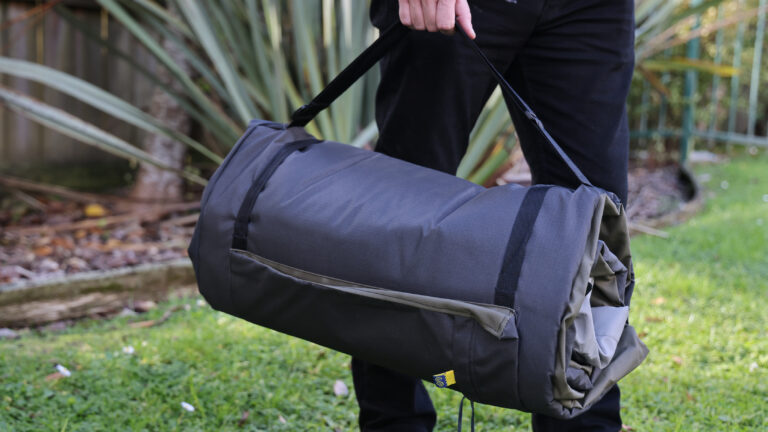
“Sometimes whānau arrive at their new home with little to nothing at all,” Jeremy says.
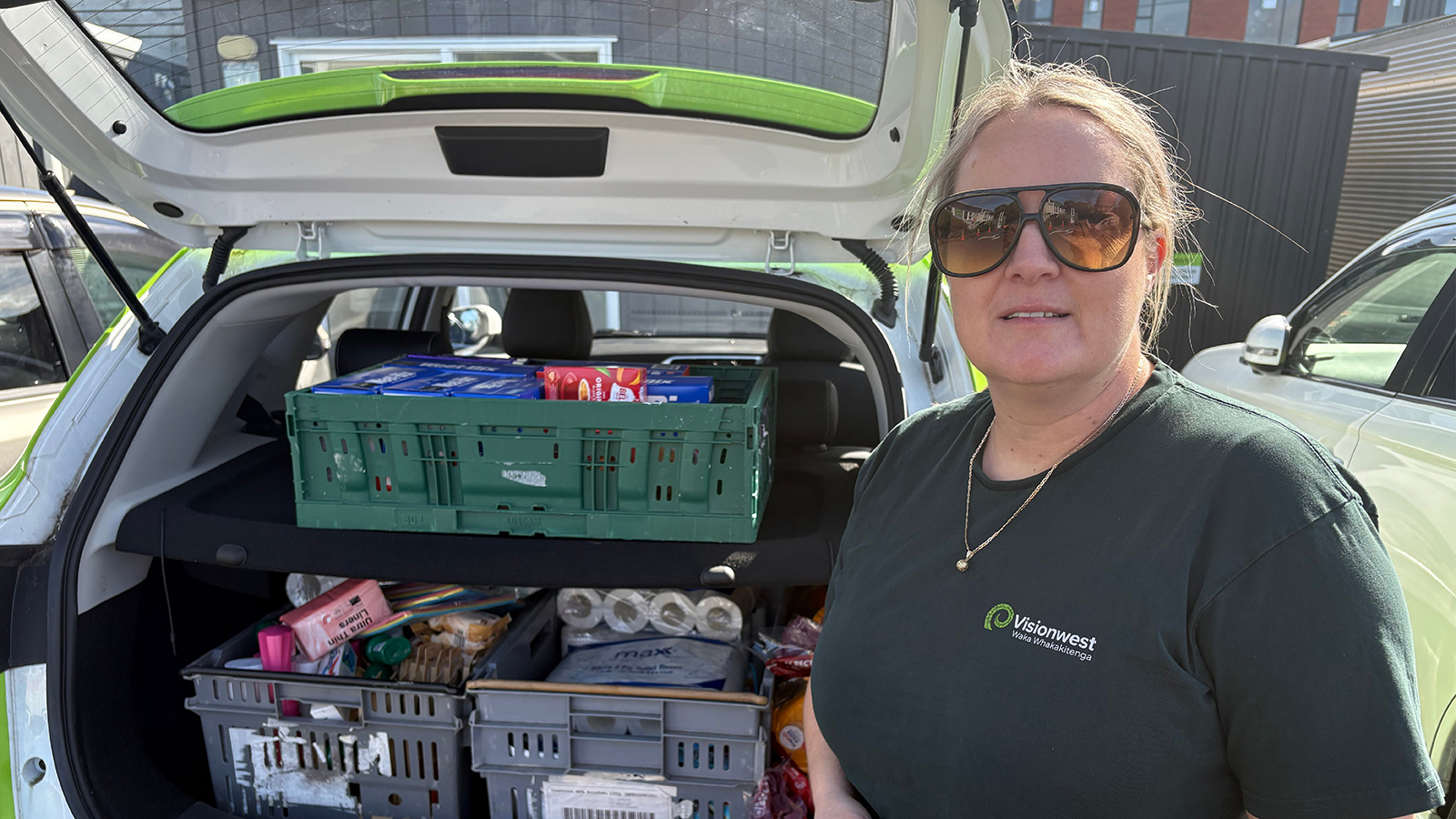
To help make the transition into their new homes stress-free for whānau, Whai Manaaki Kai has stepped in to provide essentials such as cleaning supplies, pantry staples, and hygiene products to get them started.
Such multi-faceted, wraparound support would also not be possible without networking with departments such as Ministry of Social Development and organisations in the community.
Jo and her team have spent most Thursdays visiting Junk2Go, one of our partners, at their Avondale depot. On these Donation Days, Junk2Go kindly invites the Housing Team to pack a truck full of items such as sofas, tables, shelves, and chairs sorted from their collections, which will go out for whānau to choose and put in their homes – at no cost.
The Housing First approach to homelessness
Jeremy says:
“Our goal for all of our Community Housing initiatives is always to help whānau become self-supporting and give them the dignity of fully participating in their own journey.”
Visionwest is a foundation member of the Housing First collective. Housing First operates by five key principles:
- Immediate access to housing, recognising that it is easier to work through issues once people are housed and have supports available
- Self-determination, respecting their rangatiratanga and their right to choose
- A recovery-oriented approach which seeks to reduce harm
- Person-driven supports appropriate for each unique circumstance
- Community integration and whakawhanaugnatanga, the building and maintaining of positive relationships with others
Read more about our mahi in Visionwest Housing Services here.
Visionwest Waka Whakakitenga also assists whānau in times of hardship through the provision of support services that include navigational support, community housing, youth development programmes, counselling, financial mentoring, community healthcare, trauma informed care, and early childhood education.
It also takes a village to care for a community, and we love partnering with others to make a difference. We are grateful for our corporate and community partners who generously give time, funds and goods to support our work. If you would like to donate or get involved to support this kaupapa, we’d love to hear from you.